
Knowledge hub
Deep science, explained properly.
Explainers, research context and working definitions across artificial intelligence, nanotechnology and biotechnology — written for people who intend to go further than a summary.
Start here
8 foundational topics. Each one is the anchor its articles hang off.
What is Artificial Intelligence?
AI, machine learning, deep learning and generative models are nested, not synonymous. Here is what distinguishes each layer, and which one people now mean when they say AI.
What is Nanotechnology?
Nanotechnology is defined by scale rather than substance. Here is what changes between 1 and 100 nanometres, why it changes, and why a nanoparticle of a familiar material can be a genuinely new one.
What is Biotechnology?
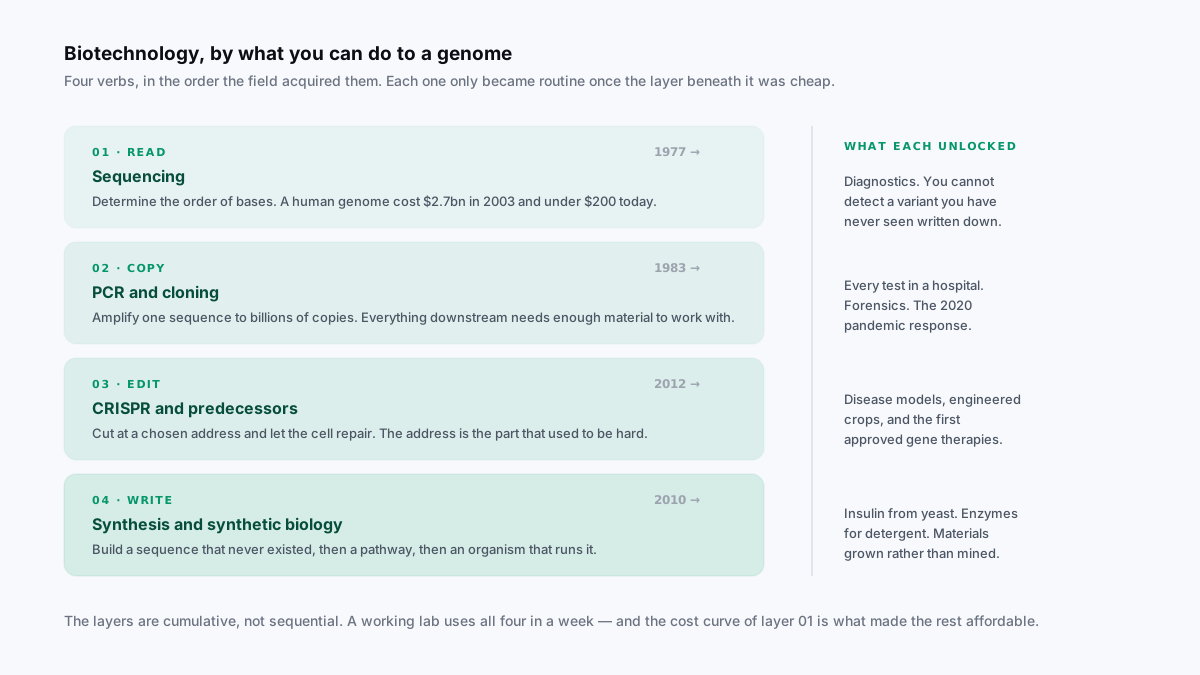
Biotechnology explained through the four things you can now do to a genome, the order the field acquired them, and what each one unlocked.
Careers in deep science
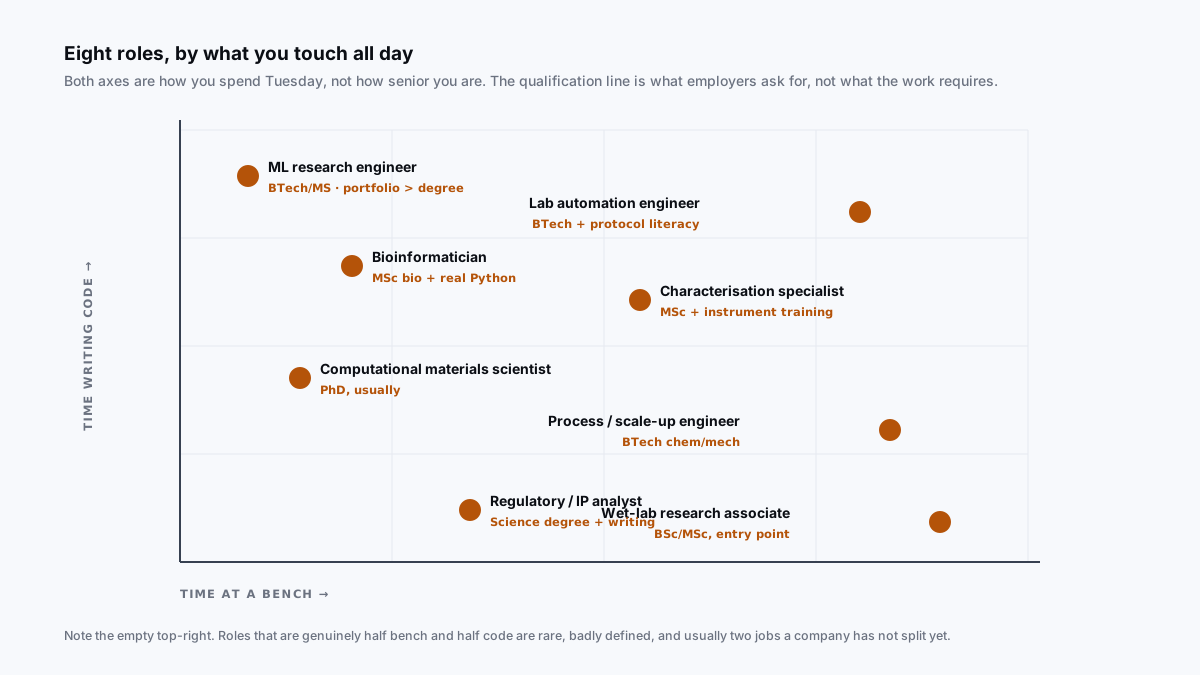
What eight real deep-science roles involve day to day, what qualification each actually needs, and the two axes — bench time and code time — that decide which will suit you.
Nanomedicine, explained
Why a drug-delivery nanoparticle has a core, a shell, a polymer coat and a targeting ligand — told as the sequence of failures each layer was added to solve.
Where AI and biology meet
What machine learning has actually changed in biology, what it has not, and why the loop between a prediction and a measurement is still the part that takes months.
Where nanotechnology research stands today
Discovery, characterisation, pilot line, product. What each stage measures, what kills projects at each one, and why most of the field is permanently in the first two.
Is Artificial General Intelligence possible?
Four serious positions on AGI, what each treats as the binding constraint, and — for each — the observation that would refute it. A guide to holding the question rather than picking a side.
Latest
What is Biotechnology?
Biotechnology explained through the four things you can now do to a genome, the order the field acquired them, and what each one unlocked.
CRISPR in plain language, without the hype
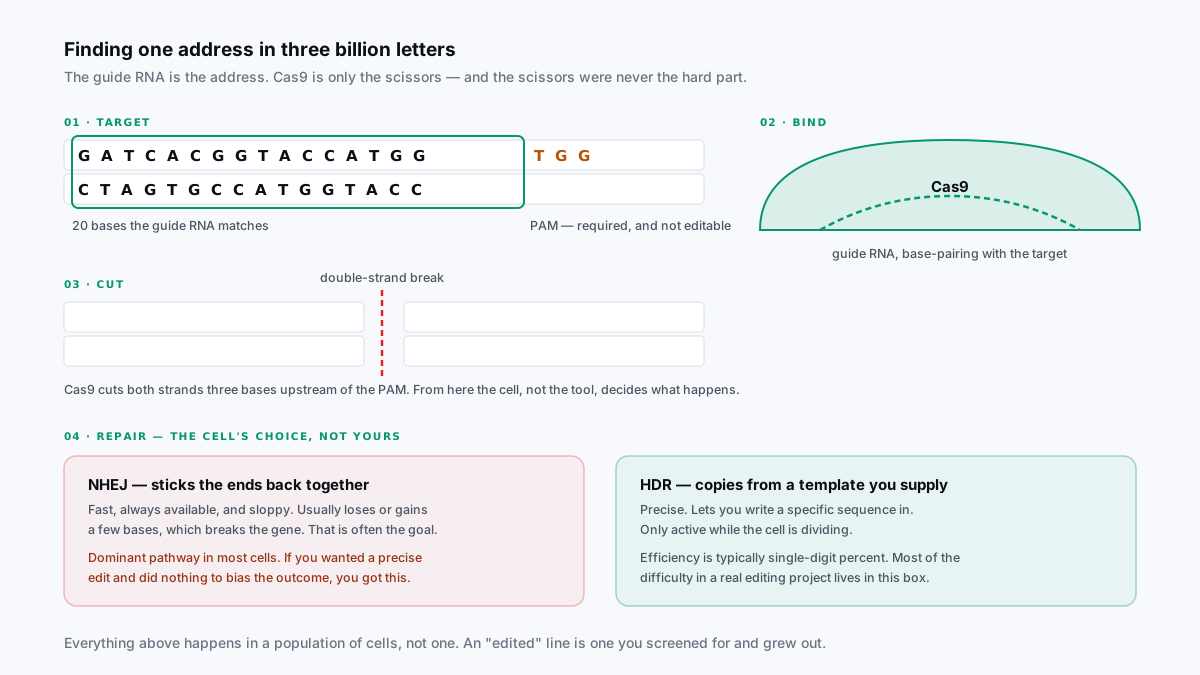
How CRISPR finds one address in three billion letters, why the scissors were never the innovation, and why a precise edit is a screening campaign rather than an operation.
Careers in deep science
What eight real deep-science roles involve day to day, what qualification each actually needs, and the two axes — bench time and code time — that decide which will suit you.
What a transformer is actually doing when it "reads"
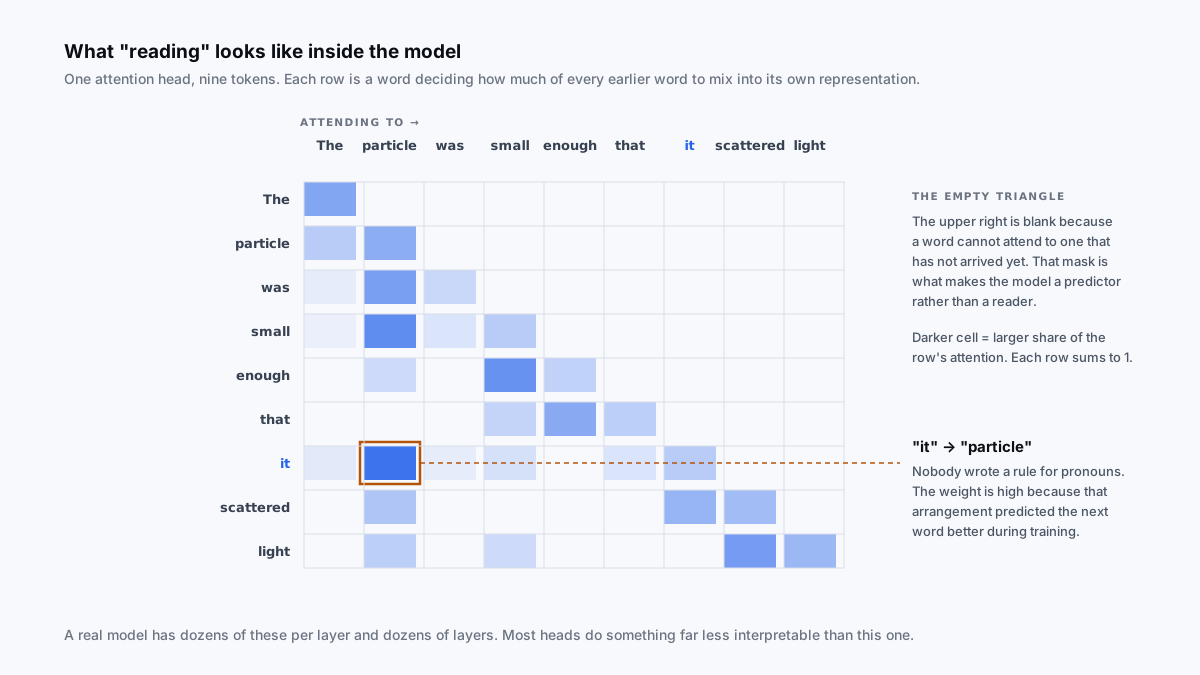
Attention, explained through a single nine-token sentence: what the weights mean, why the upper triangle of the matrix is empty, and what that mask has to do with the model's failure modes.
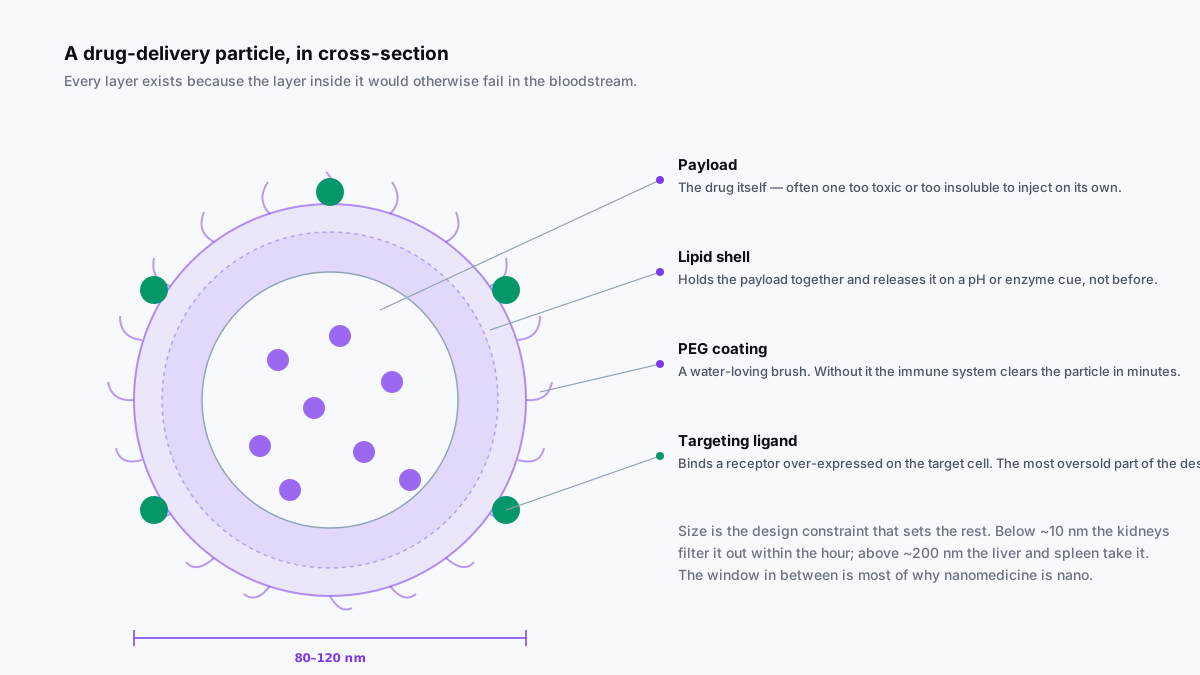
Nanomedicine, explained
Why a drug-delivery nanoparticle has a core, a shell, a polymer coat and a targeting ligand — told as the sequence of failures each layer was added to solve.
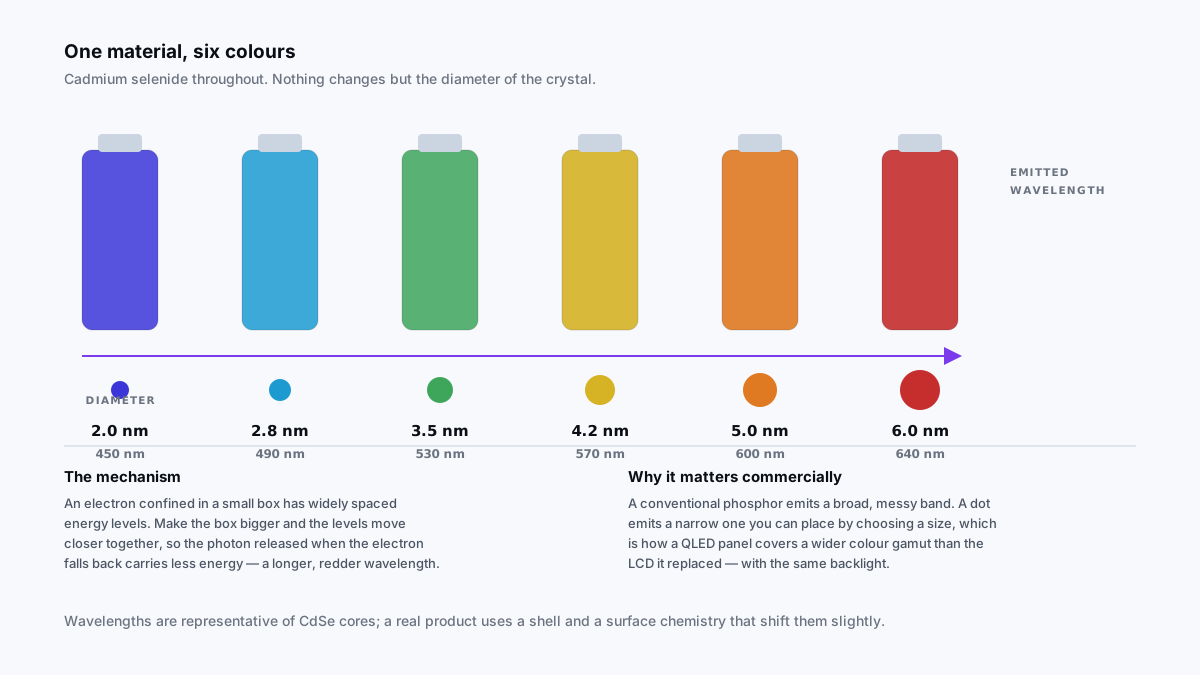
Quantum dots: from lab curiosity to your television
Why a quantum dot's colour is set by its size, and why the journey from a 1981 observation to a shipping display took three decades of manufacturing rather than physics.
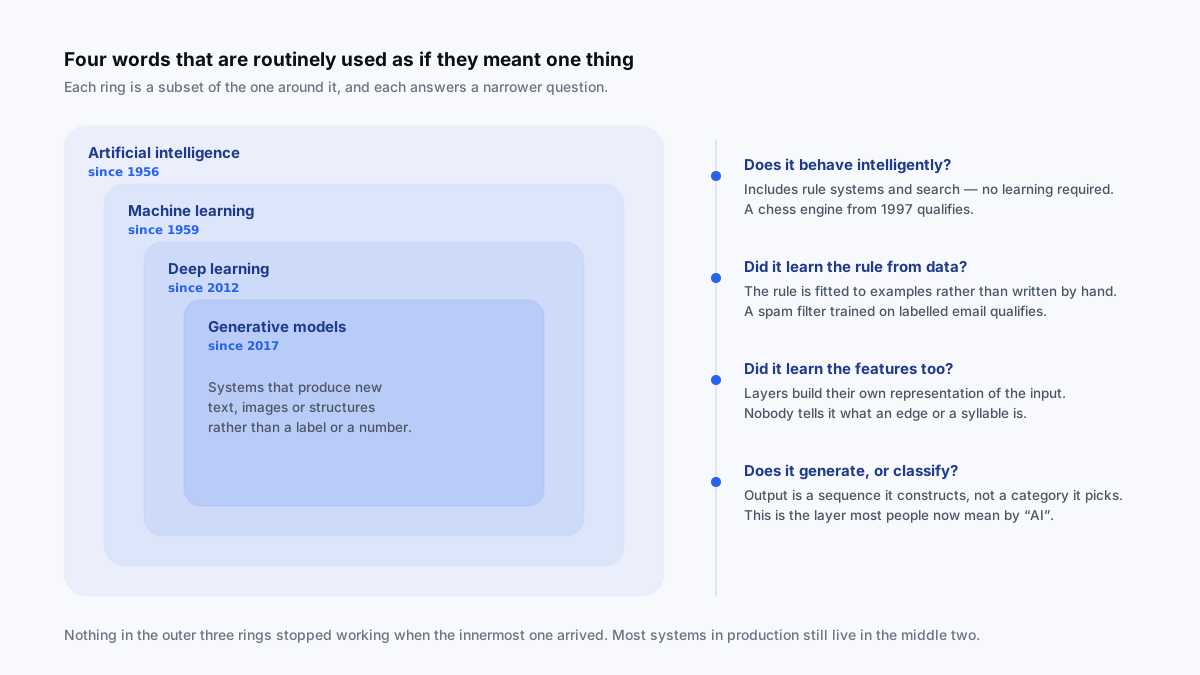
What is Artificial Intelligence?
AI, machine learning, deep learning and generative models are nested, not synonymous. Here is what distinguishes each layer, and which one people now mean when they say AI.
What a transformer is actually doing when it "reads"
Attention, explained through a single nine-token sentence: what the weights mean, why the upper triangle of the matrix is empty, and what that mask has to do with the model's failure modes.
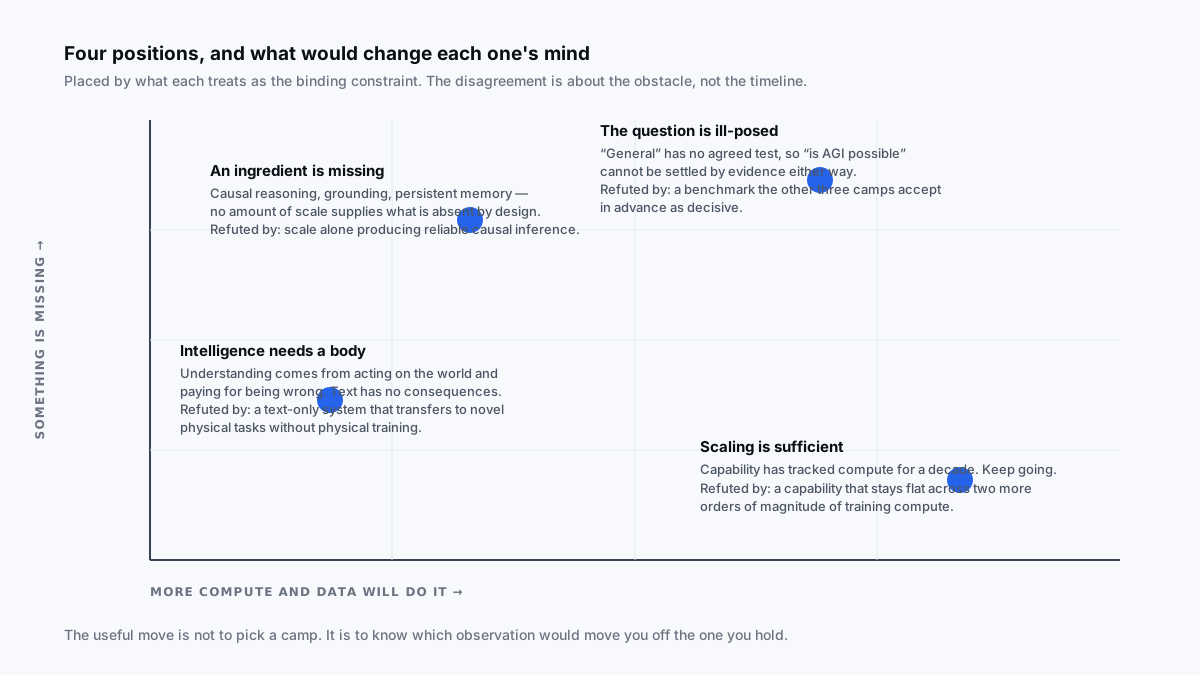
Is Artificial General Intelligence possible?
Four serious positions on AGI, what each treats as the binding constraint, and — for each — the observation that would refute it. A guide to holding the question rather than picking a side.
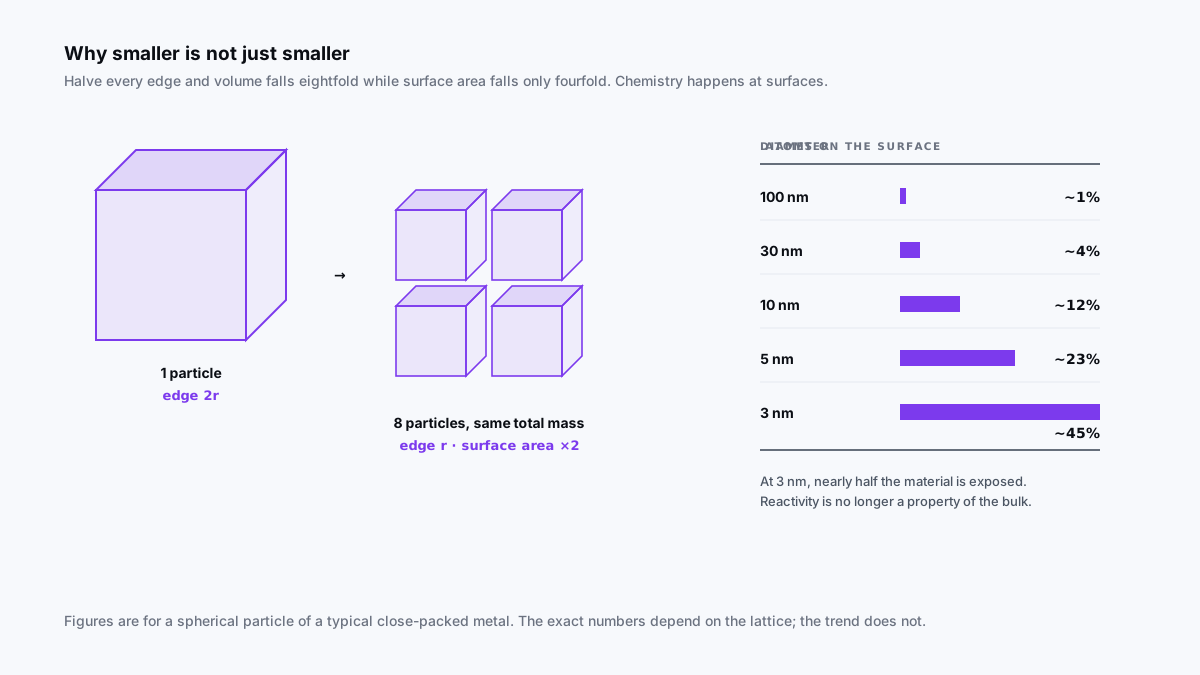
How small is a nanometre, really?
The human-hair comparison tells you nothing useful. Six anchors at the right order of magnitude, and the two mechanisms that make small materials behave differently.
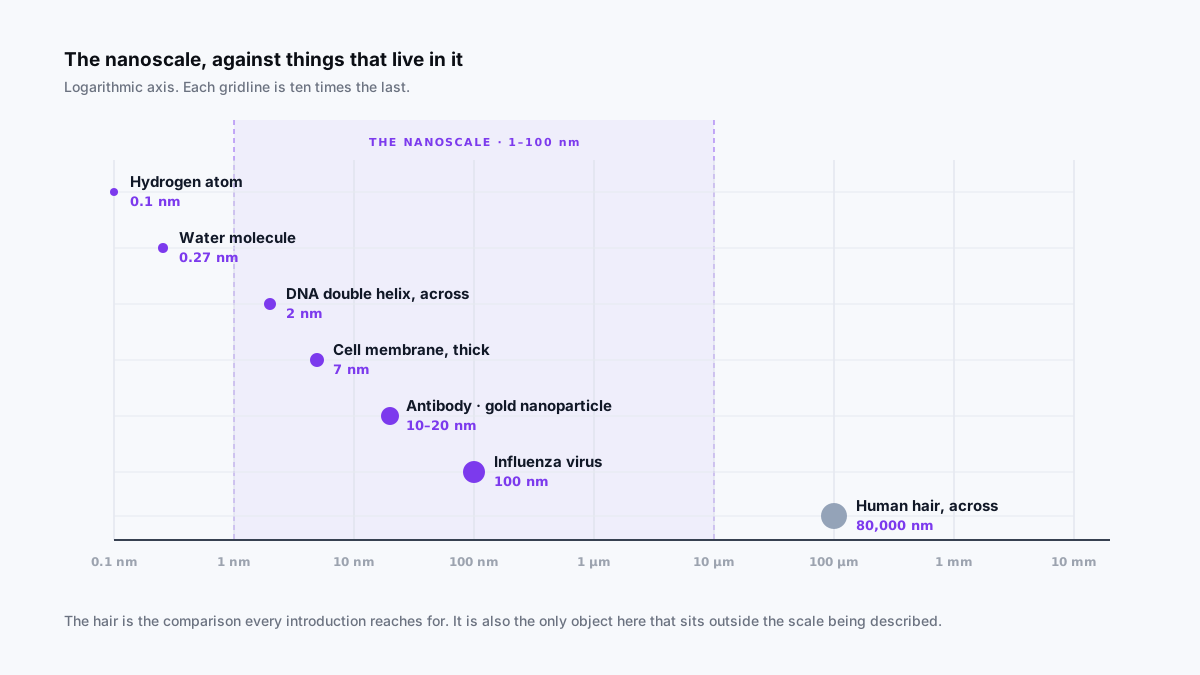
What is Nanotechnology?
Nanotechnology is defined by scale rather than substance. Here is what changes between 1 and 100 nanometres, why it changes, and why a nanoparticle of a familiar material can be a genuinely new one.
Nanomedicine, explained
Why a drug-delivery nanoparticle has a core, a shell, a polymer coat and a targeting ligand — told as the sequence of failures each layer was added to solve.
What is Biotechnology?
Biotechnology explained through the four things you can now do to a genome, the order the field acquired them, and what each one unlocked.
CRISPR in plain language, without the hype
How CRISPR finds one address in three billion letters, why the scissors were never the innovation, and why a precise edit is a screening campaign rather than an operation.
Working definitions
Every article links its jargon here.
Follow the ones worth reading.
Every new explainer goes out through the newsletter at the foot of this page, and the feed carries the same 14 pieces if you would rather read them in a reader.