
Nanometre
One billionth of a metre (10⁻⁹ m) — roughly the width of ten hydrogen atoms in a row.
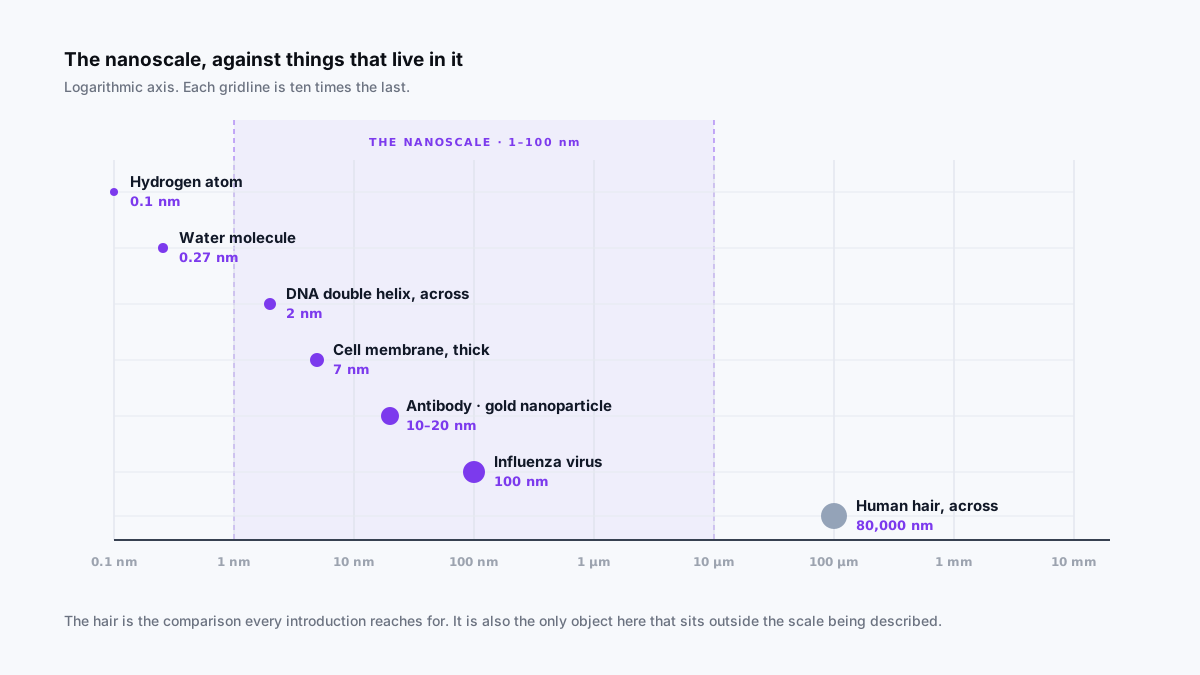
The unit the whole field is named after. A water molecule is about 0.27 nm across, DNA is 2 nm wide, and a cell membrane is 7 nm thick, which is why the nanometre — rather than the micrometre or the ångström — is the natural unit for engineering that interacts with biological machinery.
Where this comes up
Articles that define nanometre in context.
How small is a nanometre, really?
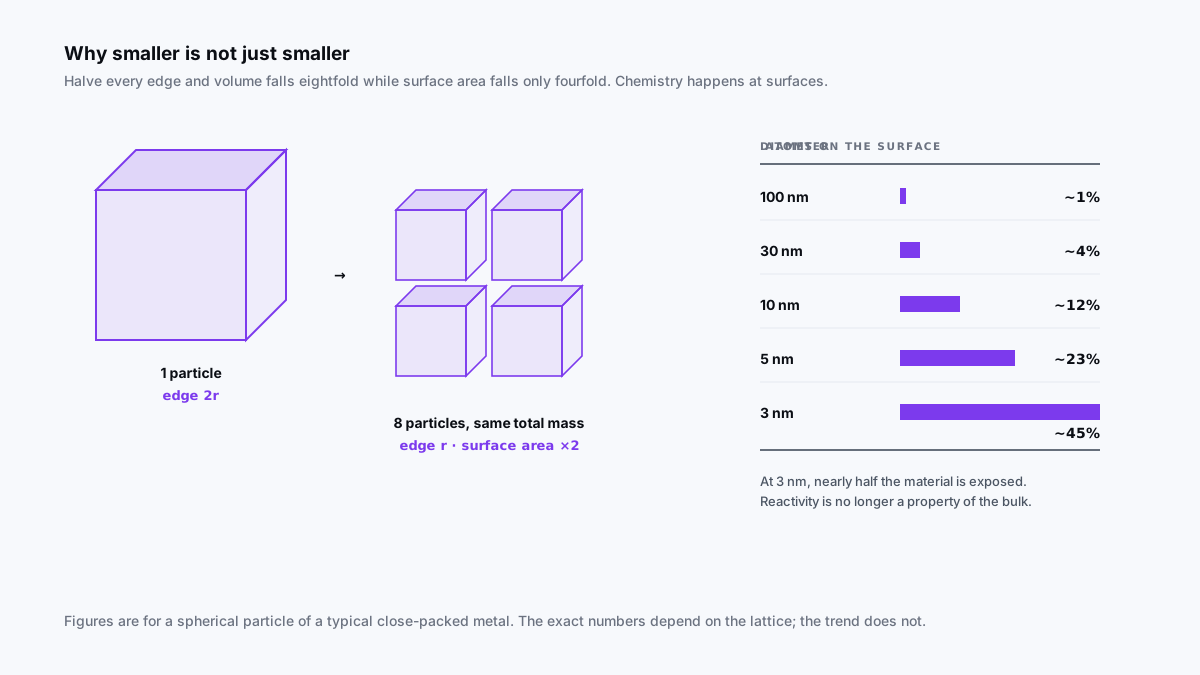
The human-hair comparison tells you nothing useful. Six anchors at the right order of magnitude, and the two mechanisms that make small materials behave differently.
What is Nanotechnology?
Nanotechnology is defined by scale rather than substance. Here is what changes between 1 and 100 nanometres, why it changes, and why a nanoparticle of a familiar material can be a genuinely new one.